
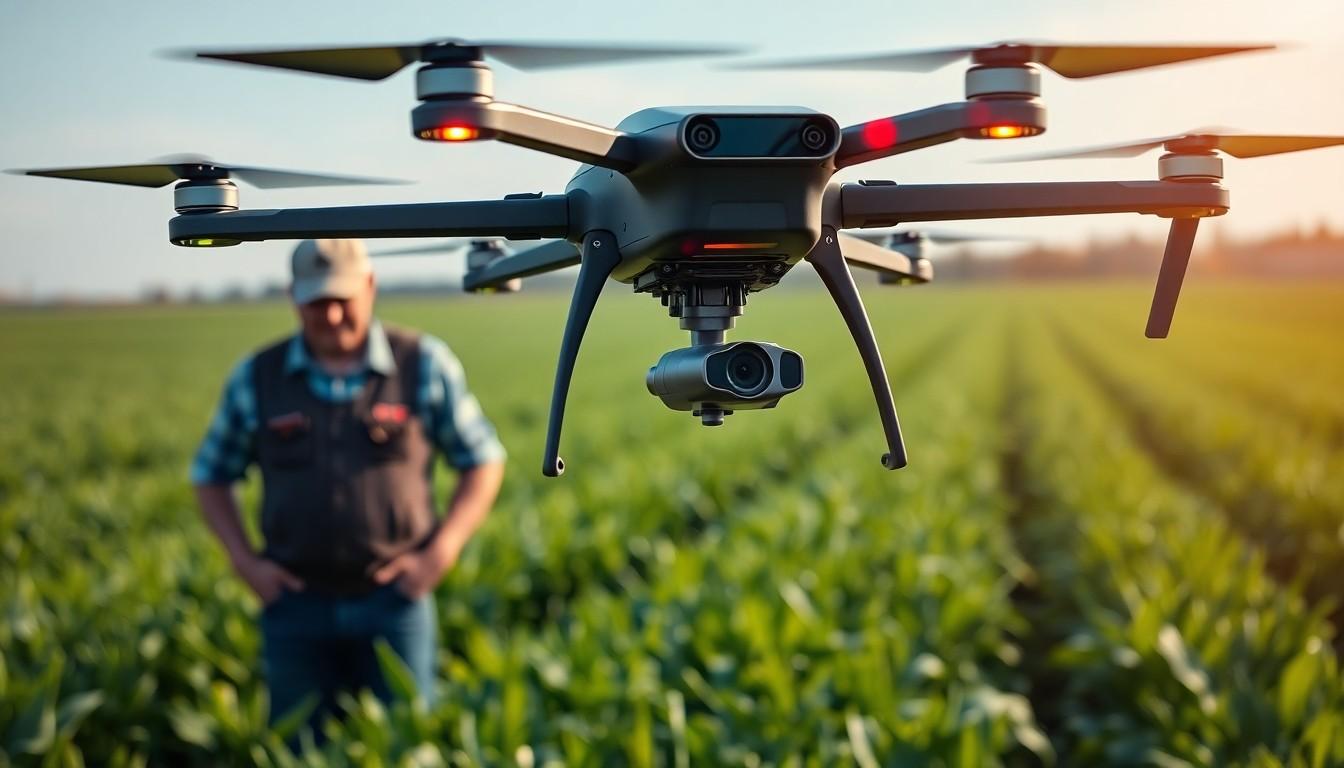
Motor drones are the flying wonders that are revolutionizing how we think about transportation, delivery, and even entertainment. Picture this: a sleek, buzzing machine zipping through the sky, delivering your favorite snacks faster than you can say “extra cheese.” It’s not just a fantasy; it’s the future, and it’s already here.
Overview of Motor Drones
Motor drones are advanced flying machines equipped with multiple rotors. These devices play a crucial role in various industries by enhancing efficiency and speed. Equipped with high-resolution cameras, motor drones capture aerial images for surveillance, mapping, and inspection tasks.
In transportation, businesses utilize motor drones for delivering small packages swiftly. Companies leverage this technology to reduce delivery times, allowing customers to receive their orders on the same day. Increased demand for same-day delivery services has incentivized the expansion of drone logistics networks.
Motor drones also make a significant impact in agriculture. Farmers employ drones to monitor crop health, assess soil conditions, and manage resources efficiently. Regular aerial surveillance maximizes yield potential while minimizing waste.
Entertainment sectors benefit from motor drones too. Filmmakers and photographers use them to capture stunning aerial shots that enhance narratives and visual appeal. This innovative technology offers a unique perspective that traditional methods often cannot replicate.
Safety regulations heavily govern the operation of motor drones. Authorities impose guidelines to ensure responsible use, especially in populated areas. Compliance with regulations promotes safer airspace and minimizes potential risks.
Recent advancements further enhance motor drone capabilities. Improved battery life enables longer flight times, while sophisticated navigation systems enhance precision and reliability. These developments fuel ongoing interest in motor drones across various sectors.
Key Features of Motor Drones
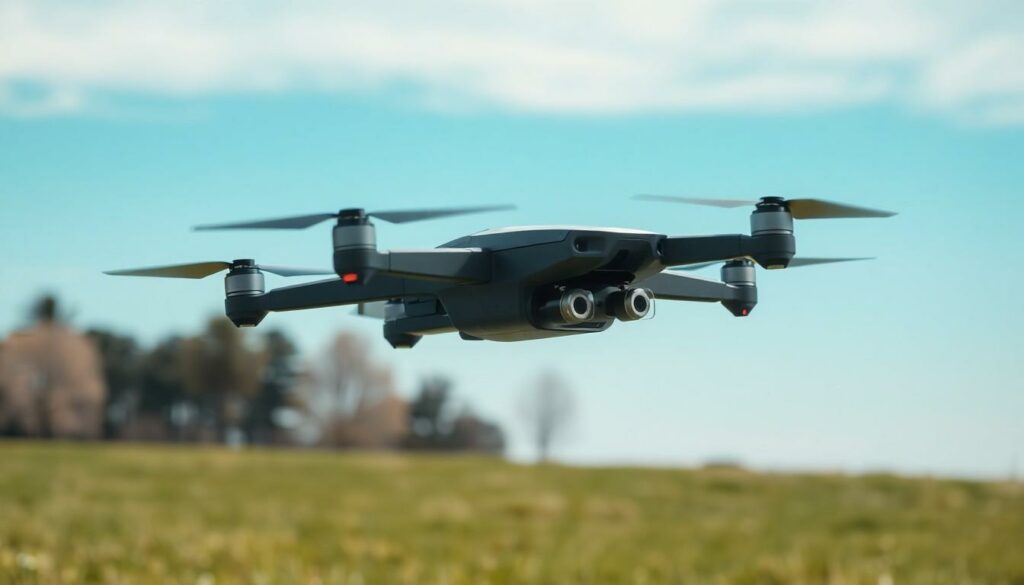
Motor drones boast several key features that enhance their operational efficiency and versatility across various sectors. With advancements in technology, these flying machines are equipped to perform specific tasks with precision.
Types of Motors Used
Various types of motors power motor drones. Brushless DC motors are widely used for their efficiency and longevity. These motors offer superior performance compared to brushed motors, resulting in longer flight times and reduced maintenance. Some models also incorporate stepper motors for precise movement control during aerial imaging. The choice of motor impacts the overall drone performance. Manufacturers select motors based on factors like weight constraints and intended applications. Efficient motors optimize energy use, increasing flight duration and reducing downtime for charging.
Flight Capabilities
Flight capabilities define the effectiveness of motor drones. Many models feature vertical takeoff and landing (VTOL) mechanics, allowing quick deployment in tight spaces. Enhanced stability systems contribute to smooth flights even in challenging weather conditions. Altitude capabilities vary, with some drones reaching heights above 400 feet, compliant with FAA regulations. Advanced navigation systems facilitate GPS-guided flights, enabling autonomous operation and precise route planning. Enhanced battery technology results in longer flight times, often exceeding 30 minutes. Flexible payload options also enable these drones to carry various equipment, enhancing their utility across different industries.
Applications of Motor Drones
Motor drones find extensive applications across various sectors, driven by technological advancements and versatility.
Commercial Uses
Motor drones play a crucial role in commercial delivery services. Companies like Amazon utilize them for swift package delivery, enhancing their logistics efficiency. In agriculture, these drones monitor crop health, allowing farmers to optimize resource management. Aerial imagery provides critical data, helping them maximize yield. Construction and real estate sectors benefit from aerial surveying, enabling precise planning and project management. Drones equipped with thermal imaging assist in inspections of infrastructure, identifying potential issues that may go unnoticed. Additionally, industries like insurance use drones to assess damages after natural disasters efficiently, streamlining the claims process.
Recreational Uses
Recreationally, motor drones offer enthusiasts opportunities for aerial photography and videography. Respected filmmakers incorporate them to capture breathtaking shots, adding depth to visual narratives. Hobbyists enjoy drone racing, a growing sport that combines speed and precision. Educational institutions integrate drones into STEM programs, fostering interest in technology and programming among students. Events such as drone light shows entertain crowds, marrying creativity with technology in captivating displays. Community groups often engage in recreational flying activities, promoting teamwork and outdoor exploration.
Advantages of Motor Drones
Motor drones offer numerous advantages that enhance their appeal across various industries. First, the speed of delivery stands out. Many companies can transport small packages within minutes, catering to urgent consumer demands. Efficiency in resource management comes next. Farmers deploy drones for precise monitoring of crop health, optimizing water and fertilizer usage.
Cost reduction also plays a significant role. Businesses save on labor and infrastructure expenses, as drones can perform tasks previously requiring extensive manpower. Safety measures benefit from drone operations too. Aerial inspections for utilities and infrastructure reduce risks associated with human involvement in hazardous areas.
Enhanced data collection capabilities are another advantage. Drones equipped with high-resolution cameras and sensors gather accurate information, supporting informed decision-making. Flexibility in payload options allows users to adapt drones for various functions, from aerial photography to thermal imaging.
In addition, the environmental impact of motor drones is favorable. Reduced carbon footprints emerge as drones operate on electric power, lessening dependence on traditional fuel sources. User-friendly interfaces make piloting accessible even for beginners.
Advanced navigation systems contribute significantly to ease of operation. GPS-guided autonomy ensures precise flight paths and obstacle avoidance, reducing the likelihood of accidents. Regulatory frameworks also enhance safety, as they evolve to address the growing prevalence of drones in airspace.
Versatility stands out as a defining feature of motor drones. They serve multiple sectors, from delivery to agriculture, entertainment, and beyond. With continuous technological advancements, motor drones remain at the forefront of innovation, poised to redefine operational standards across industries.
Challenges and Limitations of Motor Drones
Motor drones face several challenges that hinder widespread adoption. Regulatory constraints complicate operations, especially in urban areas. Operators must navigate complex rules governing airspace and safety standards. Limited battery life restricts flight duration, making long-haul deliveries difficult. Many drones achieve around 30 minutes of flight time, which may not meet the demands of certain industries.
Weather conditions can impact performance as well. Rain, wind, and low visibility pose risks, leading to potential flight cancellations. Drone operators often need to wait for favorable conditions, leading to delays in operations. Additionally, the risk of accidents increases in densely populated areas, raising safety concerns among communities.
Technical limitations also exist. Payload capacity might restrict the types of materials or packages that can be delivered. Some drones struggle with heavy payloads or sensitive equipment, impacting their effectiveness in specific applications. Maintenance and repairs can create further challenges; breakdowns require specialized knowledge and can result in significant downtime.
Data privacy issues also arise. While drones collect valuable aerial imagery and data, concerns about surveillance and unauthorized capturing of images persist. This creates tension between enthusiasts, businesses, and the public.
Lastly, high initial costs associated with purchasing and maintaining drones can deter smaller companies. Many organizations need to weigh the benefits of investing in motor drones against potential returns.
While motor drones promise significant advancements across various sectors, addressing these challenges is vital for their integration and success.
Motor drones are reshaping industries with their remarkable capabilities and efficiency. As technology advances the potential applications continue to expand. From enhancing agricultural practices to revolutionizing delivery systems motor drones are proving to be invaluable tools.
While challenges remain in regulatory compliance and technical limitations the benefits far outweigh the drawbacks. The ongoing innovations in battery life and navigation systems promise to address these issues. As motor drones become more integrated into everyday operations their role in driving progress and efficiency will only grow stronger.

