
Table of Contents
ToggleIn a world where robots are more reliable than your uncle’s fishing stories, manufacturing tech is revolutionizing how products come to life. Gone are the days of sweat-soaked factories and assembly lines that resemble a scene from a sci-fi movie. Today, cutting-edge technology is transforming the manufacturing landscape into a sleek, efficient powerhouse that even your smartphone would envy.
Imagine machines working tirelessly, optimizing processes, and reducing waste, all while you sip your coffee and scroll through social media. With innovations like AI, IoT, and automation, manufacturing tech isn’t just a trend; it’s the future. Buckle up as we dive into this exciting realm where efficiency meets creativity, and discover how these advancements are shaping industries and making life a whole lot easier.
Overview of Manufacturing Tech
Manufacturing technology encompasses various innovations that transform production processes. Automation systems enhance efficiency by reducing manual labor. Advanced robotics streamline repetitive tasks, leading to faster output. The Internet of Things connects machines, allowing real-time data sharing to optimize workflows. Artificial intelligence analyzes operational data to detect inefficiencies and improve decision-making.
Smart factories emerge as a result of these advancements. They leverage digital tools to create flexible, responsive production environments. Machine learning enables predictive maintenance, minimizing downtime and extending equipment lifespan. Data analytics provides insights into market trends, allowing companies to adapt quickly to changes.
Industry 4.0 marks the latest evolution in manufacturing tech. This movement integrates cyber-physical systems, fostering collaboration between humans and machines. Augmented reality assists workers by overlaying digital information on physical environments, enhancing training and troubleshooting efficiency. Supply chain management benefits significantly from these modern tools, resulting in better inventory control and reduced lead times.
Investments in manufacturing technology yield substantial returns. Companies that adopt these innovations often see decreased operational costs and increased productivity. Collaboration tools improve communication among teams, facilitating smoother project management. Digital twins, virtual representations of physical assets, help visualize the entire manufacturing process, driving continuous improvement initiatives.
Emerging technologies in the manufacturing sector challenge traditional practices. Innovations such as 3D printing promote custom production and reduce material waste. Sustainable practices gain importance, with tech solutions supporting greener production methods. Overall, manufacturing tech’s influence reshapes industries, making processes more efficient and environmentally friendly.
Key Innovations in Manufacturing Tech
Manufacturing technology thrives on innovation. Key advancements drive efficiency and productivity across industries.
Automation and Robotics
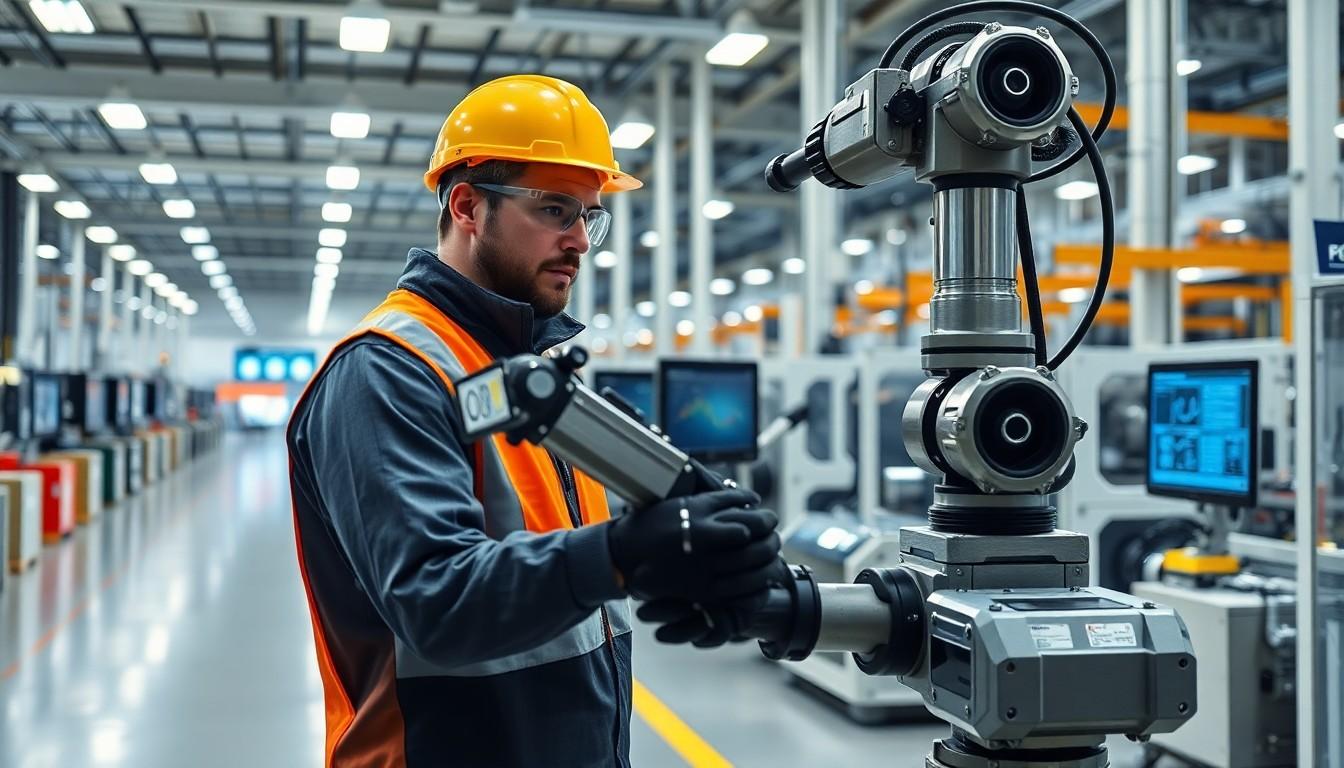
Automation transforms production workflows. Many factories integrate robotics to handle repetitive tasks with precision. Robots often work alongside human workers, enhancing both speed and safety. Tasks that once required manual labor now get executed seamlessly. Companies save significant time and reduce errors, leading to overall cost savings. Collaborative robots, or cobots, become increasingly common as they adapt to various manufacturing environments. Enhanced programming and AI allow for smarter decision-making in real-time, improving operational workflows.
Additive Manufacturing
Additive manufacturing, commonly known as 3D printing, revolutionizes how products are created. This technology enables the layer-by-layer construction of items from digital models. Manufacturers benefit from the ability to produce customized parts on-demand, minimizing waste and excess inventory. Enhanced material options contribute to lighter, stronger components, appealing to various industries like aerospace and healthcare. Speed and cost-effectiveness make additive manufacturing a vital component of modern production strategies. Companies can iterate designs rapidly, ensuring they stay competitive in evolving markets.
Benefits of Manufacturing Tech
Advanced manufacturing technology presents numerous benefits that significantly impact production processes and overall efficiency. Innovations streamline operations, resulting in enhanced productivity and cost savings.
Increased Efficiency
Increased efficiency becomes evident through automation systems that handle repetitive tasks swiftly. Robots work tirelessly, reducing the time required for assembly and quality control. Integration of IoT devices allows machines to communicate in real-time, leading to quicker decision-making processes. Smart factories utilize data analytics to optimize workflows, minimizing bottlenecks. Predictive maintenance through machine learning helps identify potential issues before they disrupt production, ensuring uninterrupted operation. Overall, these technologies create leaner manufacturing environments, allowing companies to respond rapidly to market demands.
Cost Reduction
Cost reduction stems from various advancements in manufacturing technology. Automation not only enhances speed but also diminishes labor costs as machines take on roles traditionally held by humans. AI-driven analytics provides insights into resource management, enabling manufacturers to minimize waste and maximize profits. Additive manufacturing reduces inventory costs by producing parts on-demand, eliminating the need for large stockpiles. Investing in these technologies offers substantial returns, offsetting initial expenditures with ongoing savings. Continuously improved processes lead to lower operational costs, giving manufacturers a competitive edge in the marketplace.
Challenges in Implementing Manufacturing Tech
Manufacturing technology brings several challenges that companies must navigate to fully realize its benefits. Adapting to advanced systems often requires a thoughtful approach to workforce management and financial planning.
Workforce Adaptation
Workforce adaptation stands as a significant challenge when implementing manufacturing technology. Employees may resist transitioning to new roles that involve using advanced machines or software. Training programs need to be developed to upskill workers on new technologies. Ensuring that staff understand the advantages of automation and robotics reduces resistance. Manufacturers often find that investing in continuous education fosters a culture of innovation. Flexibility in workforce roles enables smooth integration of new technologies into existing processes.
Initial Investment Costs
Initial investment costs present a substantial barrier for many manufacturers. High upfront expenses deter some companies from adopting cutting-edge systems. Infrastructure upgrades, equipment purchases, and software implementation contribute to these costs. Many organizations face the dilemma of balancing immediate financial constraints against long-term productivity gains. Securing funding or financing options can ease the burden of these initial expenditures. Manufacturers often weigh the potential for substantial returns on investment against budget limitations in the decision-making process.
Future Trends in Manufacturing Tech
Emerging technologies are reshaping the landscape of manufacturing, driving significant changes. Advanced robotics continues to evolve, integrating artificial intelligence for enhanced adaptability in workflows. Smart factories rely on data analytics and IoT devices to streamline operations, enabling real-time adjustments in production.
Sustainable practices are gaining momentum, with manufacturers prioritizing environmentally-friendly processes. For example, additive manufacturing makes it easier to produce customized components on demand, reducing material waste and excess inventory. Companies increasingly use these technologies to optimize resource management and decrease operational costs.
Collaborative robots, or cobots, provide a safer work environment while enhancing productivity. They work alongside human operators, taking on repetitive tasks that allow workers to focus on complex responsibilities. Flexibility in production lines is crucial, and adaptable technologies can meet diverse customer demands.
Machine learning plays a critical role in predictive maintenance, helping minimize downtime. Immediate data analysis identifies potential issues, allowing manufacturers to conduct timely interventions before problems escalate. The integration of these technologies creates leaner operations, improving overall efficiency.
Investment in advanced manufacturing technology is essential for maintaining a competitive edge. Finance options such as funding or leasing help address the high upfront costs associated with implementing new systems. Training programs are vital for equipping the workforce with skills necessary for adapting to technological advancements.
Overall, the future of manufacturing tech promises innovation and efficiency as new tools emerge. Organizations that embrace these changes are likely to thrive in an increasingly competitive landscape.
The evolution of manufacturing technology is reshaping industries and driving significant advancements in efficiency and productivity. Embracing innovations like automation and additive manufacturing allows companies to streamline operations and reduce costs. As smart factories become the norm, organizations can leverage real-time data to optimize workflows and enhance decision-making.
While challenges such as workforce adaptation and initial investment costs persist, the long-term benefits of these technologies far outweigh the hurdles. Companies that invest in training and upskilling their workforce will be better positioned to thrive in this rapidly changing landscape. The future of manufacturing is bright, with those who embrace these advancements poised to lead the way in sustainability and innovation.

