
Table of Contents
ToggleDrones with guns might sound like the plot of a sci-fi blockbuster, but they’re quickly becoming a reality. Imagine a flying robot armed to the teeth, zipping through the sky like an over-caffeinated delivery service. While it may sound like a wild idea, the fusion of technology and firepower raises important questions about safety, ethics, and the future of warfare.
Overview of Drones With Guns
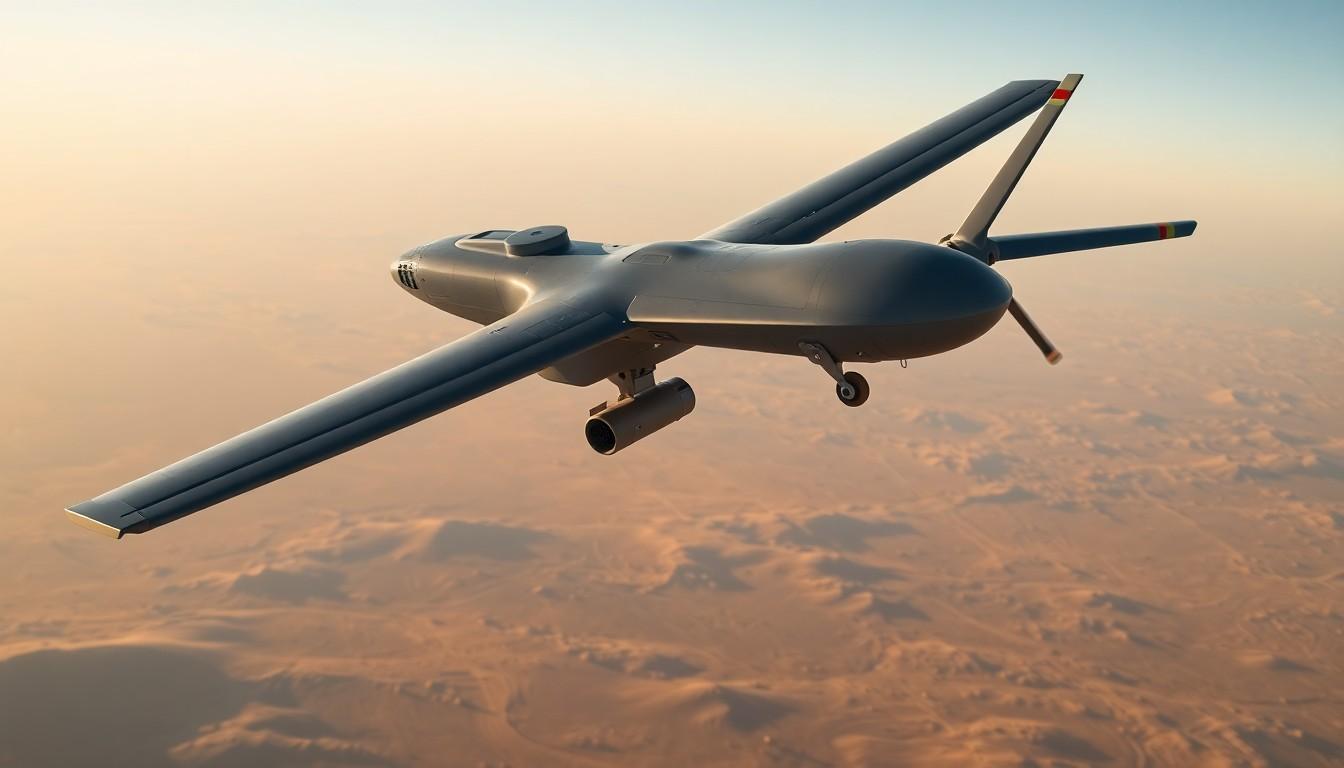
Drones equipped with firearms represent a significant evolution in military technology. These systems combine aerial surveillance capabilities with the potential for targeted strikes. Military organizations around the world explore this technology for various applications, including combat support and tactical missions.
Current prototypes demonstrate the integration of lightweight firearms, enhancing operational efficiency. Countries like the United States and China have invested in developing armed drone units. These drones often feature advanced targeting systems, enabling precise engagement in complex scenarios.
The implications are far-reaching. Ethical concerns arise regarding the autonomous nature of these drones. Decisions around life and death could be delegated to machines, prompting a debate on accountability. In addition, public safety issues surface, as armed drones could transition from military to civilian contexts.
Issues of regulation also play a crucial role. Policymakers face challenges in governing the use of armed drones domestically and internationally. New laws must address the potential for misuse in conflicts, crime, and terrorism. Oversight mechanisms must evolve to ensure responsible deployment.
Experts emphasize the need for careful consideration of accompanying technologies. Artificial intelligence advancements could drive autonomous operations, increasing risks associated with their use. Maintaining control and setting boundaries becomes essential as these technologies develop.
Ultimately, the evolution of drones with guns reshapes warfare and security. This technological advancement demands thorough discussions about its ethical implications and regulatory framework. Preparing for a future with these systems requires thoughtful planning and proactive governance.
Technological Advancements
Drones equipped with firearms exemplify a significant shift in military technology, blending surveillance and offensive capabilities. They incorporate several key features enhancing their effectiveness in various operational scenarios.
Key Features of Armed Drones
Armed drones typically include advanced targeting systems that improve accuracy and minimize collateral damage. Examples like the MQ-9 Reaper showcase capabilities such as real-time video feeds and data integration. Features such as automated flight paths enable precise mission execution. Enhanced stealth technology reduces detection, allowing for covert operations. Additionally, some models utilize artificial intelligence to assess targets autonomously, adding another layer of efficiency and decision-making speed.
Comparison with Traditional Weapons
Unlike traditional weapons, armed drones provide a platform for remote engagement, allowing operators to strike while remaining safe from enemy fire. Enhanced operational range offers a considerable advantage, with some drones able to operate hundreds of miles from their base. Drones also support rapid deployment and flexibility, making them ideal for dynamic battlefields. Compared to ground troops, these systems reduce the risk to human life during missions. Using armed drones shifts the nature of warfare, emphasizing technological prowess over sheer manpower.
Ethical Considerations
Drones equipped with guns spark crucial ethical discussions. The implications of using these technologies raise questions about morality in warfare and public safety.
The Debate on Weaponized Drones
Discussions center around the extent of autonomy in weaponized drones. Critics argue that delegating lethal decisions to machines undermines human accountability. Proponents, however, suggest that these drones could reduce unintended casualties through precision targeting. Both sides highlight the need for clear ethical frameworks governing deployment and operations. The complexity of this debate necessitates continuous dialogue among military leaders, ethicists, and policymakers. Addressing these concerns is vital to ensure responsible advancements in drone technologies.
Impacts on Warfare and Civilians
Drone warfare introduces significant changes to traditional combat dynamics. These unmanned systems offer strategic advantages while presenting risks to civilian populations. The ability to strike targets without human presence increases the likelihood of collateral damage. Civilians may become more vulnerable if armed drones proliferate beyond military applications. Regulatory measures must focus on mitigating these risks to ensure public safety and uphold ethical standards in conflict situations. The shift in warfare also emphasizes the necessity of comprehensive oversight to balance military effectiveness with humanitarian considerations.
Applications of Drones With Guns
Drones with firearms demonstrate a wide range of applications across various sectors. Their adoption prompts discussions on effectiveness, safety, and ethical implications.
Military Uses
Military organizations utilize armed drones for reconnaissance and targeted strikes. Precision engagement capabilities reduce unintended casualties during combat operations. Countries like the United States actively develop advanced targeting systems, enhancing the accuracy of these missions. These drones offer significant advantages, including expanded operational range and rapid deployment. They allow for effective engagement in high-risk environments, minimizing risk to personnel. Equipped with real-time video feeds, armed drones can provide intelligence that informs tactical decisions on the battlefield.
Law Enforcement and Security
Law enforcement agencies explore the integration of armed drones for public safety. They can be deployed in high-stakes situations, such as hostage rescues or armed standoffs, allowing law enforcement to neutralize threats from a safe distance. Surveillance capabilities enable effective monitoring of large crowds during events. Security personnel use these drones to enhance situational awareness, particularly in urban areas. Concerns arise around public safety and ethical implications, especially regarding civilian oversight. The balance between effective policing and civil liberties remains a focal point in this evolving technological landscape.
Future of Drones With Guns
Drones equipped with firearms are shifting from speculative technology to real-world applications. This transformation raises essential questions about their future use in various contexts.
Emerging Trends
Innovations in drone technology continuously enhance capabilities. Recently, the integration of artificial intelligence allows for improved decision-making processes. Militaries across the globe are adopting drones with advanced targeting systems for tactical operations. Surveillance capabilities now combine with offensive actions, boosting effectiveness in combat scenarios. Law enforcement agencies increasingly utilize these systems for public safety missions. Rapid developments in stealth technology enable drones to operate undetected. As these trends evolve, potential civilian applications may arise, prompting discussions about their implications in everyday life.
Regulatory Challenges
Regulating armed drones presents significant hurdles. Current laws often fail to address the complexities introduced by this technology. Policymakers must manage national security concerns alongside civil liberties. Establishing guidelines for military use and domestic deployment requires careful consideration. Global standards may emerge, yet national perspectives may differ. Lawmakers face the challenge of preventing misuse in conflicts, crime, and terrorism. Moreover, public safety considerations will influence legislative approaches. Effective regulatory frameworks must keep pace with technological advancements to ensure responsible use.
The emergence of drones equipped with firearms marks a pivotal moment in military and law enforcement technology. As these systems become more integrated into operational strategies, the balance between effectiveness and ethical responsibility must be carefully considered. The potential benefits of precision and reduced risk to personnel are tempered by significant concerns about accountability and civilian safety.
Policymakers face the daunting task of crafting regulations that address the complexities of armed drones while protecting civil liberties. Ongoing discussions about their deployment will shape the future landscape of warfare and public safety. As this technology evolves, a proactive approach to governance and ethical frameworks will be essential to ensure responsible use and mitigate risks associated with armed drones.

